
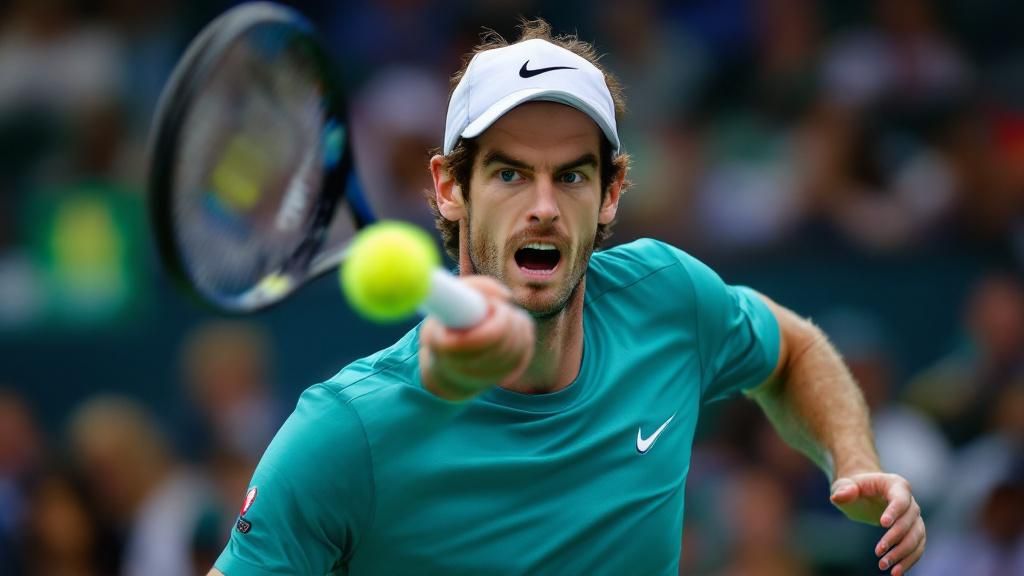
Andy Murray’s strategically designed comeback to competitive tennis has sent shockwaves through the British sports landscape, indicating a possible resurgence for the nation’s most accomplished player. Following his serious hip operation, Murray’s measured reintroduction to competition promises to reconfigure the landscape of British tennis, motivating a new generation whilst reviving hopes of further Grand Slam glory. This article investigates how his disciplined method to tournament competition is influencing grassroots growth, nurturing young players, and reinforcing Britain as a formidable force in global tennis.
The Returning Champion
Andy Murray’s re-entry into professional sport signifies considerably more than a personal achievement; it demonstrates perseverance and fortitude that resonates throughout the British sporting landscape. After undergoing a potentially career-ending hip surgery, many questioned whether the thrice Grand Slam victor would ever compete at the highest level again. His decision to stage a comeback, however, showcases resolute devotion to his craft and an unbreakable resolve that has shaped his professional journey. The sporting world follows with authentic fascination as Murray confronts this critical juncture, showing that neither age nor injury must shape an athlete’s direction or performance goals.
The significance of Murray’s calculated reentry go far past his personal results on court. His presence in professional tournaments reinvigorates British tennis, providing a clear illustration of determination to emerging athletes facing their own obstacles. Moreover, his comeback narrative provides essential insights in psychological strength and bodily recovery, creating new standards for sporting endurance. As Murray returns to competition, he at the same time coaches the emerging generation, forging a bridge between proven success and rising prospects that strengthens the whole British tennis landscape.
Effect on British Tennis Growth
Murray’s comeback to competitive play has catalysed substantial progress within British tennis infrastructure. His presence at premier competitions boosts the tennis profile domestically, drawing enhanced financial support in youth development programmes and practice venues. The knock-on benefits extend beyond professional ranks, inspiring community involvement and prompting national organisations to focus on talent identification and support structures for up-and-coming British talent.
Mentoring and Support
Beyond his on-court displays, Murray has taken on an increasingly prominent coaching position within the British tennis community. His willingness to share experience gained from performing at the highest level provides essential support to younger players navigating their own professional paths. This casual mentoring impact enhances established programmes, delivering useful knowledge into competition readiness, mental resilience, and handling career demands.
Murray’s accessibility to up-and-coming athletes represents a departure from established pecking orders within professional sport. By working closely with gifted junior competitors, he demonstrates commitment to the advancement of British tennis. His coaching role goes beyond technical instruction, including strategic career guidance, sponsorship deals, and mental approaches essential for maintaining sustained competitive performance on the international stage.
- Provides strategic guidance on event choice and scheduling
- Shares mental resilience techniques developed throughout professional journey
- Facilitates introductions to training and advisory networks
- Demonstrates professional standards through reliable dedication
- Encourages balanced approach between ambition and individual health
Performance Comparison and Rankings
Murray’s return to competitive play has exhibited considerable mental strength, with his statistical indicators revealing a competitor intent on regaining his position amongst tennis’s elite. Despite the inherent physical rigours of elite-level play, his positional progression has steadily improved, reflecting both his tactical expertise and emotional strength. His successes against recognised opponents have prompted fresh conversation about his ability to compete for Grand Slam honours, whilst at the same time offering important insights on his recovery progress and tournament fitness.
The deliberate strategy of Murray’s event choices has been crucial in managing his recovery whilst maintaining competitive edge. By thoughtfully juggling high-level competition with sufficient rest intervals, he has optimised his competitive progression without compromising lasting viability. His results have energised UK tennis fans and analysts alike, proving that prior injuries and advancing years need not reduce a player’s competitive ambitions or accomplishments at the top levels of professional sport.
Future Possibilities and Enduring Influence
Andy Murray’s deliberate re-entry to the professional circuit has substantially reshaped views on what constitutes a successful tennis career. His thoughtful methodology demonstrates that longevity and purposeful competition can coexist physical challenges, delivering important insights to ambitious sportspeople globally. The broader impact of his return extend beyond individual success; Murray’s participation on tour revitalises the British tennis system, drawing financial support and public interest once allocated to other areas. His impact on emerging talent exemplifies how accumulated knowledge and perseverance go beyond traditional career paths, creating updated measures for sporting endurance.
Looking forward, Murray’s legacy will undoubtedly encompass more than tournament victories and ranking positions. His focus on nurturing rising British players has established a lasting foundation for the coming generation of competitors seeking international prominence. By balancing competitive ambitions with mentoring obligations, Murray has positioned himself as both playing member and custodian of British tennis’s future. This two-fold responsibility strengthens the nation’s sporting framework whilst ensuring his deep experience benefits the sport well beyond his final competitive involvement, cementing his status as pivotal force within British sporting history.
